Somewhere on the first page of your auto policy, usually in a boxed table near the top, sits a short block of text describing your car. Most drivers glance at it once, confirm the make and model look right, and move on. That block of text is doing more work than it appears to. It is not just an identifier for the insurer’s records – it is one of the pieces of information that the rest of the policy is built around. If it drifts out of sync with the vehicle you actually drive, the mismatch can quietly change how a claim gets handled long before anyone notices there was a problem.
Why the vehicle listing matters
An auto insurance policy is not a single flat promise to cover “your driving.” It is a bundle of coverage lines – liability, collision, comprehensive, medical payments, uninsured motorist, and others depending on what you bought – each of which is priced and written around a specific, described vehicle. The insurer used details about that vehicle to decide how likely it is to be stolen, how expensive it is to repair, how it performs in a crash, and roughly what it’s worth. All of that feeds into your premium and into the limits and terms that appear on your declarations page.
When the car listed on the page is the car in your driveway, none of this is visible to you. The system works in the background and you never have to think about it. The listing becomes visible, and important, at exactly the moment you need it most: when you file a claim. A claims adjuster’s first step in reviewing a claim is almost always to confirm that the vehicle involved matches the vehicle described in the policy. That comparison is routine, but it is not optional, and it is where an outdated or incorrect listing can turn a straightforward claim into a slower, more complicated one.
It helps to think of the declarations page less like a label and more like the boundary of the agreement. Everything inside that boundary – the coverage types, the limits, the deductibles – was written with a particular vehicle in mind. A car that has quietly fallen outside that boundary is, from the insurer’s point of view, a different question than the one the policy was written to answer.
What details are usually listed
The exact layout varies by insurer, but most declarations pages include some version of the following for each vehicle on the policy:
- Year, make, and model. The basic identity of the car – for example, the model year and manufacturer name that determine which safety and repair-cost data the insurer used when pricing the policy.
- Vehicle Identification Number (VIN). A unique string of characters specific to that one vehicle, not just the model line. This is the detail insurers rely on most heavily, because trim level, factory-installed features, and even the plant where the car was built can all be encoded in it.
- Body style or trim. A base model and a fully-loaded version of the same car can have different repair costs and different safety ratings, which can affect both pricing and, in some cases, how a claim is evaluated.
- Primary use. Whether the vehicle is used for commuting, pleasure driving, business errands, or something like rideshare or delivery work. This is a classification, not a technicality – it describes the pattern of risk the insurer priced the policy around.
- Garaging address. The location where the vehicle is typically parked overnight. This affects exposure to theft, weather damage, and regional accident patterns, and it is often different from your mailing address if you’ve moved or if the car lives at a second location.
- Lienholder or leaseholder information. If the car is financed or leased, the declarations page usually names the lender or leasing company, since they typically have a financial interest in how claims involving that vehicle are paid.
- Listed drivers. Not part of the vehicle description itself, but usually shown alongside it, and worth checking at the same time since household changes affect both.
Each of these details exists because it answers a question the insurer needed answered before agreeing to the terms on the page. None of them are decorative.
How a mismatch can affect coverage
Most mismatches between the declarations page and reality fall into a handful of common patterns. None of them are exotic – they’re the ordinary byproduct of life moving faster than paperwork.
A car that’s been replaced
You traded in the sedan for an SUV, or sold the old car to a family member and bought something newer. If the policy was never updated, it may still be describing a vehicle you no longer own, while the car you’re actually driving has no described listing at all. Some insurers extend a short window of automatic coverage for a newly acquired vehicle under certain conditions, but that window is limited and depends on the specifics of your policy – it is not a substitute for updating the declarations page, and it is worth confirming with your insurer rather than assuming it applies to your situation.
A VIN or trim that doesn’t match
Clerical errors happen at the point of sale or during a policy renewal – a digit transposed in the VIN, or a base trim listed when you actually have the upgraded version with different safety equipment. These errors don’t necessarily block a claim, but they can slow down the verification process, since the adjuster now has to reconcile what’s on paper with what’s in front of them.
A garaging address that’s out of date
If you’ve moved, especially across city or state lines, and the garaging address wasn’t updated, your premium may have been calculated using a location that no longer reflects where the car actually sits overnight. This is a pricing issue as much as a coverage issue, and insurers generally want to know about a move regardless of whether it changes your rate.
A change in how the car is actually used
The primary-use classification on the declarations page describes a pattern, not a single trip. A car listed for pleasure use that has gradually become your daily commute vehicle, or one that’s started being used regularly for a food-delivery or rideshare app, no longer matches its own description. Personal auto policies are typically built around personal use, and regular commercial-style use of the vehicle can fall outside what the policy was written to cover. This is one of the more consequential mismatches, because it isn’t just a data entry issue – it reflects an actual change in the risk the insurer is being asked to take on.
A lienholder that’s missing or outdated
If you refinanced the loan, paid it off, or switched leasing companies and the declarations page still names the old lender, claim payments involving vehicle damage may be directed incorrectly, or the process of releasing funds may take longer while the right party is identified.
In each of these situations, the practical effect is rarely an automatic denial. What tends to happen instead is friction: extra verification steps, requests for additional documentation, delays while the insurer confirms what changed and when. Whether a mismatch has any bearing on a specific claim depends on the terms of your particular policy and the nature of the discrepancy, which is exactly why it’s worth resolving before you need to file one.
How to confirm what’s on file
Checking the declarations page against reality takes a few minutes and doesn’t require calling anyone if you don’t want to. A few practical steps:
- Pull your most recent declarations page. This is usually available as a PDF through your insurer’s online account or app, and it’s also mailed or emailed at each renewal. Make sure you’re looking at the current version, not an old copy saved from a previous year.
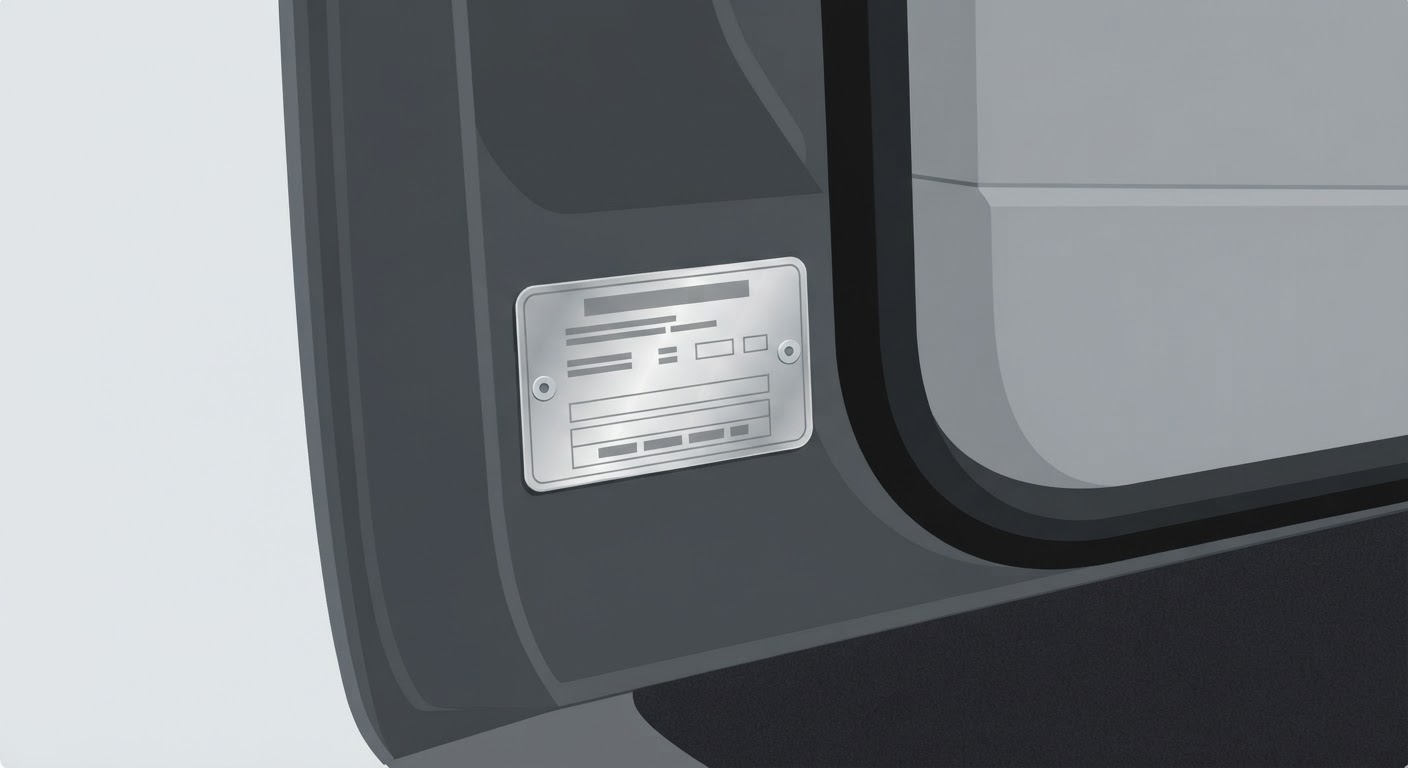
- Compare the VIN character by character. Your car’s VIN is stamped on a plate visible through the windshield near the dashboard on the driver’s side, and it’s also printed on your registration and insurance card. Read it slowly against the declarations page rather than skimming – transposed digits are easy to miss at a glance.
- Check the garaging address. Confirm it matches where the car is actually kept most nights, not necessarily your mailing address if those differ.
- Reread the primary-use description. Ask yourself honestly whether the car is still being used the way it’s described – especially if your commute, job, or side work has changed recently.
- Confirm the lienholder if the car is financed or leased. Compare the name on the declarations page to your most recent loan or lease statement.
- Review the listed drivers. Anyone who regularly drives the car – a spouse, a teenager who’s started driving, a roommate – should generally appear here, since this list is closely tied to how the vehicle coverage was priced.
If anything looks off, the fix is usually a short conversation with your insurer or agent rather than a formal dispute. Updating a declarations page is a routine administrative request, not an admission that something has gone wrong. Insurers expect vehicles, addresses, and usage patterns to change over time, and they have a standard process for updating the file to match. The only real risk lies in not making that call – in assuming the page is accurate simply because no one has mentioned otherwise.
A useful habit is to treat the declarations page the way you’d treat a car’s registration: something to glance at once a year, ideally at renewal, rather than something you set once and forget. It takes only a few minutes, and it’s a far calmer time to catch a mismatch than in the middle of sorting out what happened after a collision.